
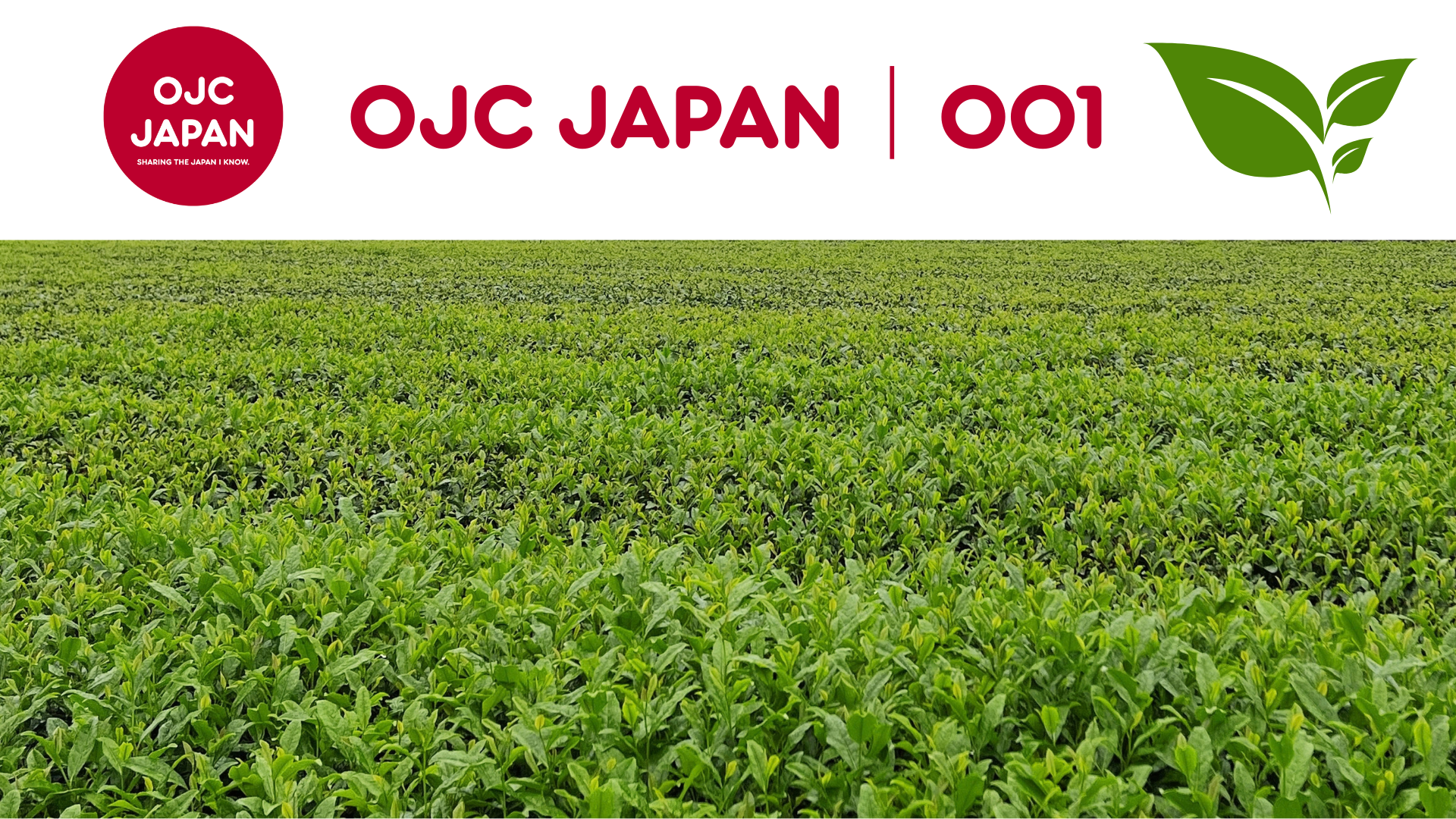
日本の茶畑。お茶ができるまで。
日本茶は、普段何気なく飲んでいるものですが、その一杯の背景には、茶畑で新芽が育つ時間と、収穫後のいくつもの工程があります。
日本茶にも、さまざまな種類があります。
今回は、日本で広く親しまれている煎茶を中心に、茶畑の新芽が私たちの飲むお茶になるまでの大きな流れを紹介します。
煎茶では茶葉を蒸し、何段階かに分けて揉み、乾燥させます。一方、抹茶の原料となる碾茶など、異なる方法でつくられる日本茶もあります。
茶畑では、季節に合わせて茶葉を摘む
春になると、茶の木は新しい芽を伸ばします。
収穫の時期は地域やその年の気候によって異なり、一般に暖かい地域では早く、涼しい地域では遅く収穫期を迎えます。
その年に最初に摘まれる茶葉が、一番茶です。
冬を越したあとに伸びる新芽からつくられる一番茶は、若葉らしい香りや旨み、甘みを楽しめるお茶として大切にされています。
その後、再び伸びてきた芽を摘むのが二番茶です。
さらに地域や栽培方法によっては三番茶を摘んだり、秋に茶葉を収穫したりすることもあります。茶摘みの回数や時期は、全国で一様ではありません。
ただ、何度も続けて摘めばいいというわけではありません。
摘み取ったあとには、次の芽を育てる時間が必要です。
茶の木の状態を見ながら管理するため、収穫の回数や時期は地域の気候や栽培方法、どのようなお茶をつくるかによって変わります。
茶園では摘採以外にも、施肥や整枝など、一年を通した管理が行われています。
摘んだ葉は、できるだけ早く工場へ
茶畑で摘み取られた葉は、そのまま私たちが飲むお茶になるわけではありません。
摘んだばかりの生葉は、その後も呼吸を続けています。時間がたつと熱をもち、品質も変化していくため、鮮度を保ちながら工場へ運び、できるだけ早く加工を始めます。
煎茶の一次加工を大きな流れで見ると、
蒸す
↓
揉む
↓
乾燥させる
という工程を経ていきます。
実際には、この間に冷却や、いくつかの異なる揉み工程があります。
まず茶葉を蒸し、熱によって酸化酵素の働きを止めます。蒸した葉はすぐに冷まされ、その後、揉みの工程へ進みます。
「揉む」といっても、一度だけではありません。
茶葉はいくつかの揉み工程を通りながら、少しずつ水分を減らしていきます。同時に葉の中の水分を均一にし、煎茶らしい細長い形へ整えていきます。
こうして蒸し、揉み、乾燥する一次加工を終えると、**荒茶(あらちゃ)**と呼ばれる状態になります。
荒茶から、普段見るお茶へ
荒茶になったあと、多くの場合はさらに仕上げ加工が行われます。
ふるい分けや選別、茶葉の大きさを整える工程、火入れ、必要に応じたブレンドなどを行い、味や香り、形を整えていきます。具体的な方法や順番は、工場やつくられるお茶によって異なります。
どこで、誰が、どのように仕上げるかも、生産者や地域、流通の仕組みによってさまざまです。
こうした工程を経て、私たちが普段店頭で目にするお茶の姿に近づいていきます。
茶畑で葉を摘んだから終わりではなく、そのあとにもいくつもの仕事が続き、一杯のお茶になります。
茶畑を見ると、その先が少し見えてくる
整った茶畑の風景だけを見ると、とても静かに見えます。
でも、その中では茶の木が季節に合わせて芽を伸ばし、収穫の時期を迎えています。
そして摘み取られた新芽の先には、蒸し、揉み、乾燥し、仕上げる仕事が待っています。
普段何気なく飲んでいる日本茶も、その始まりは茶畑で育つ新芽です。
今回は、まずその大きな流れだけ。
茶の木の一年や一番茶のこと、季節による茶畑の変化、地域によるお茶づくりの違いなどは、また別の機会にOJC JAPANで紹介していきます。
SHARING THE JAPAN I KNOW.
From Japanese Tea Fields to the Cup: How Sencha Is Made
Japanese tea is part of everyday life in Japan, but behind every cup is time spent growing fresh shoots in the tea fields, followed by a series of careful steps after harvest.
There are many different kinds of Japanese tea, and they are not all made in exactly the same way.
Here, we will follow the basic journey of sencha, one of Japan’s most familiar green teas, from the tea field to the finished leaves.
Sencha is generally steamed, rolled through several stages, and dried. Other Japanese teas follow different processes. Tencha, the leaf used to make matcha, for example, is steamed and dried without the rolling process used for sencha.
Harvesting Tea with the Seasons
In spring, tea bushes begin to send out fresh new shoots.
The exact timing of the harvest varies depending on the region and the weather each year. In general, harvesting begins earlier in warmer regions and later in cooler areas.
The first tea harvested in a year is called ichibancha, literally the “first tea.”
Made from the first new shoots to grow after winter, ichibancha is especially valued for its fresh, young-leaf aroma and its balance of umami and sweetness.
After the first harvest, the tea bushes grow again. Leaves picked from this next growth become nibancha, or the second harvest.
Depending on the region and the way the tea is grown, there may also be a third harvest, while some areas harvest tea again in autumn. There is no single harvesting schedule followed by every tea-growing region in Japan.
But tea bushes cannot simply be harvested again and again without pause.
After each harvest, the plants need time to produce their next growth. The number and timing of harvests therefore vary according to the climate, the way the tea garden is managed, and the kind of tea being produced.
Tea fields also require work throughout the year, including fertilizing and pruning.
From the Field to the Factory
Freshly picked tea leaves are not yet the tea we drink.
Even after they are picked, the fresh leaves continue to respire and can begin to heat up. To preserve their freshness, they are transported to the tea factory and processing begins as soon as possible.
For sencha, the primary processing can be simplified into three major stages:
Steam
↓
Roll
↓
Dry
The actual process is more detailed, including rapid cooling after steaming and several different stages of rolling and drying.
First, the freshly harvested leaves are steamed. The heat inactivates the oxidative enzymes in the leaves, stopping enzymatic oxidation. The steamed leaves are then quickly cooled before moving on to the rolling stages.
“Rolling” is not a single step.
The leaves pass through several different rolling stages. Gradually, moisture is reduced and distributed more evenly through the leaves, while the leaves are worked into the slender shape associated with sencha.
Once this primary processing is complete and the leaves have been dried, the tea is known as aracha, or unrefined tea.
From Aracha to Finished Tea
Aracha usually goes through another stage of processing before becoming the finished tea sold to consumers.
Depending on the producer and the tea being made, the aracha may be sifted and sorted, with leaves separated or cut according to size, then heated in a finishing process known as hi-ire and, when appropriate, blended to create the desired character of the finished tea.
The exact methods and order of these steps vary from one producer or factory to another.
Who carries out this finishing process—and where it happens—also differs depending on the producer, region, and distribution system.
Only after these stages does the tea begin to resemble the finished Japanese tea we see in shops.
Harvesting the leaves is not the end of the story. It is the beginning of another series of steps that eventually leads to a cup of tea.
Looking Beyond the Tea Fields
A neatly arranged Japanese tea field can look remarkably still.
But within it, the tea plants are moving through the seasons, producing new shoots and reaching their time of harvest.
And once those shoots leave the field, another sequence of work begins: steaming, rolling, drying, and finishing.
Every cup of Japanese tea begins with fresh shoots growing in a tea field.
This is only the broad outline.
In future stories from OJC JAPAN, we will look more closely at the tea plant’s year, ichibancha, the changing seasons in Japan’s tea fields, and the different ways tea is grown and made across the country.
SHARING THE JAPAN I KNOW.